Namibia is a global leader in community-based conservation. Roughly 20% of the country sits under communal conservancies — community-run areas where wildlife revenue funds villages directly.
How conservancies work
Local communities own the rights to manage wildlife on their land. They partner with lodges (Wilderness Safaris, Ultimate Safaris, others), receive a fixed share of revenue plus traversing fees, and reinvest in schools, water, and anti-poaching.
Lodges that fund conservancies
Damaraland Camp (Torra Conservancy). Doro Nawas (Doro !Nawas Conservancy). Desert Rhino Camp (Save the Rhino Trust). Hoanib Skeleton Coast Camp (multiple western conservancies). Premium price, real impact.
Activities with conservation value
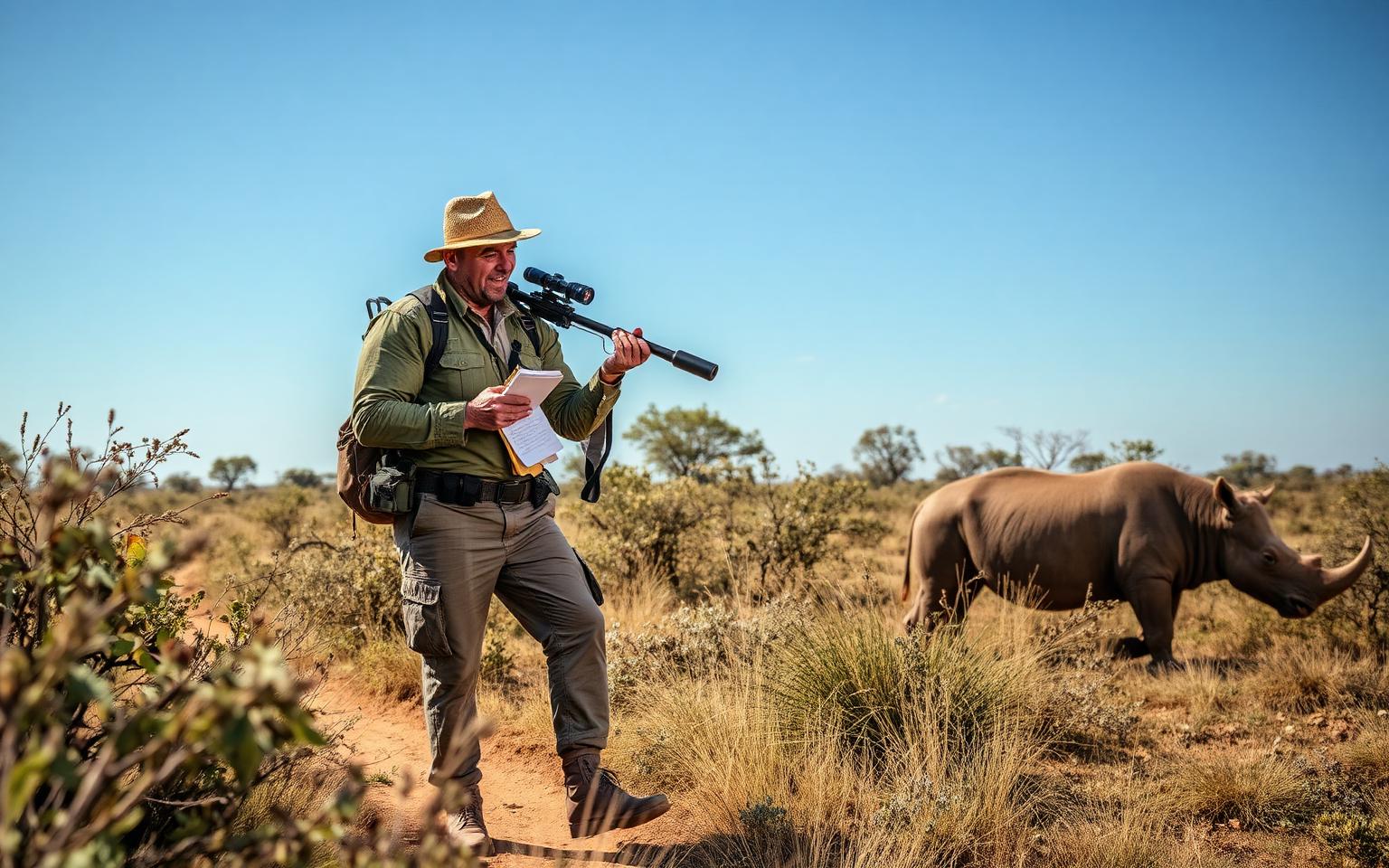
Desert rhino tracking with Save the Rhino Trust. Desert elephant tracking through registered conservancy guides. Etosha night drives (NWR — fees fund park operations).
The simple test
Ask any lodge: 'What conservancy do you operate in, and what percentage of revenue is paid to it?' Good operators answer instantly. Vague answers tell you what you need to know.