15 November 2026 to 14 March 2027
Green season 4x4 rates for Namibia self-drive
From December the Kalahari turns green, water stands in the Etosha pans and the migrant birds arrive. Springbok and oryx calves are on the ground, the dunes at Sossusvlei sit under real cloud instead of flat blue, and the light in the late afternoon is the reason photographers book this window on purpose. What people call the rain season here is a handful of afternoon storms that build, break and clear inside two hours — which is worth reading about before you decide.
The other half of it is the roads. Sesriem, Deadvlei and the Etosha waterholes are busy in July and quiet in January, and you pass far fewer vehicles on the gravel all day. Lodge availability opens up and so do the rates. If you are weighing the two windows against each other, our high season versus green season comparison lays out the trade-offs honestly, including the ones that count against green season.
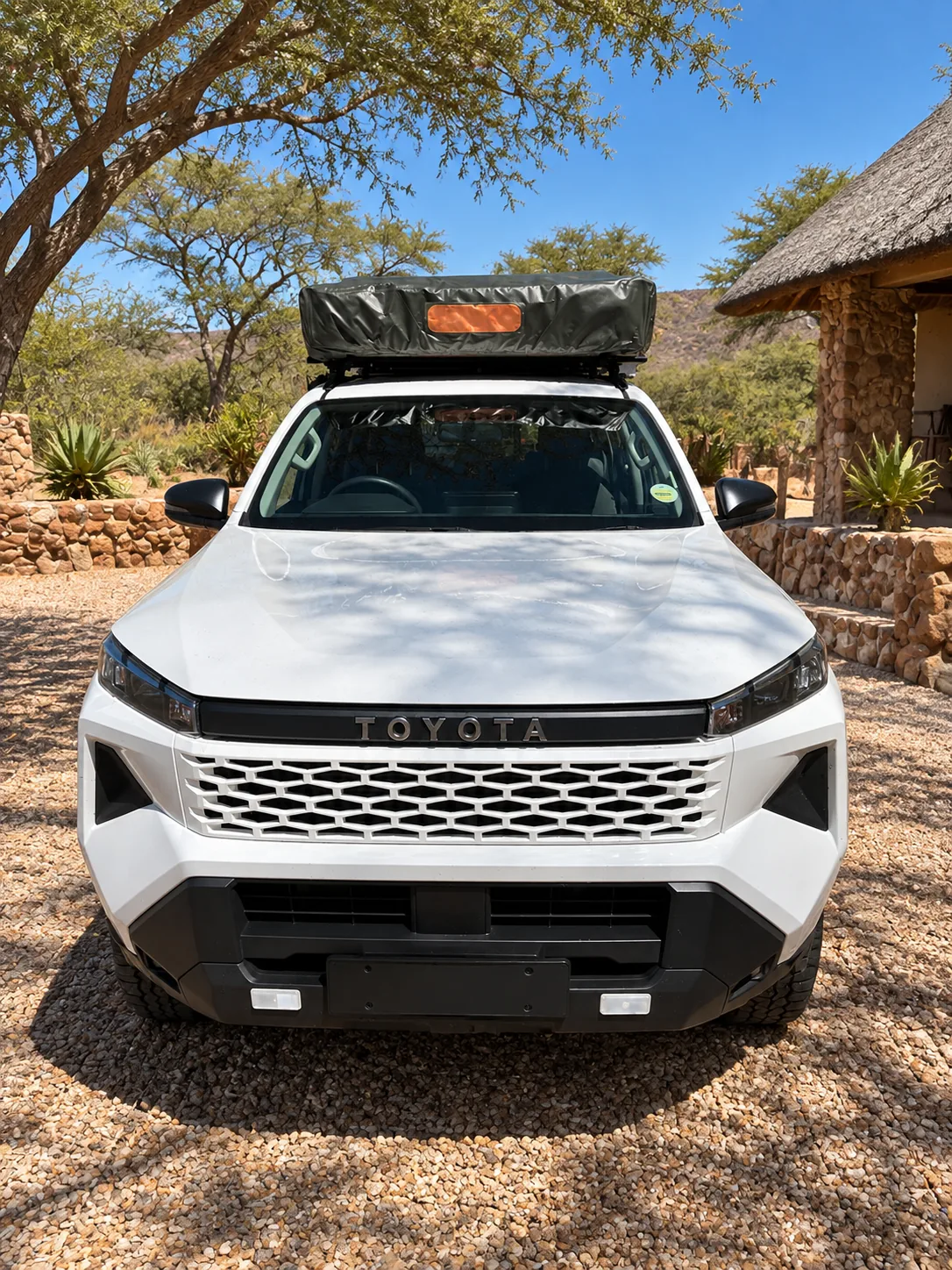
Collect between 15 November and 14 March and the whole rental is charged at green season rates: camping Hilux for two from N$1,550 a day.
Green season against high season, per day
Toyota Hilux Double Cab 2.4 Automatic 4x4. The season is set by your collection date and covers the whole rental. VAT and unlimited kilometres included, minimum 7 days.
| Setup | 7 days | 8 – 14 days | 15 – 21 days | 22 days or more |
|---|---|---|---|---|
| Green season · Toyota Hilux 2.4 Auto 4x4, no camping | N$1,650 | N$1,450 | N$1,350 | N$1,300 |
| Green season · Toyota Hilux 2.4 Auto 4x4, camping for 1–2 | N$1,900 | N$1,700 | N$1,600 | N$1,550 |
| Green season · Toyota Hilux 2.4 Auto 4x4, camping for 3–4 | N$2,000 | N$1,800 | N$1,700 | N$1,650 |
| Green season · Toyota Fortuner 2.4 Auto 4x4, no camping | N$1,650 | N$1,450 | N$1,350 | N$1,300 |
| Green season · Toyota Hilux 2.8 SRX Auto 4x4, no camping | N$1,650 | N$1,450 | N$1,350 | N$1,300 |
| Green season · Toyota Hilux 2.8 SRX Auto 4x4, camping for 1–2 | N$1,900 | N$1,700 | N$1,600 | N$1,550 |
| Green season · Toyota Hilux 2.8 SRX Auto 4x4, camping for 3–4 | N$2,000 | N$1,800 | N$1,700 | N$1,650 |
| High season · Toyota Hilux 2.4 Auto 4x4, no camping | N$2,250 | N$1,950 | N$1,850 | N$1,800 |
| High season · Toyota Hilux 2.4 Auto 4x4, camping for 1–2 | N$2,500 | N$2,200 | N$2,100 | N$2,050 |
| High season · Toyota Hilux 2.4 Auto 4x4, camping for 3–4 | N$2,600 | N$2,300 | N$2,200 | N$2,150 |
| High season · Toyota Fortuner 2.4 Auto 4x4, no camping | N$2,250 | N$1,950 | N$1,850 | N$1,800 |
| High season · Toyota Hilux 2.8 SRX Auto 4x4, no camping | N$2,250 | N$1,950 | N$1,850 | N$1,800 |
| High season · Toyota Hilux 2.8 SRX Auto 4x4, camping for 1–2 | N$2,500 | N$2,200 | N$2,100 | N$2,050 |
| High season · Toyota Hilux 2.8 SRX Auto 4x4, camping for 3–4 | N$2,600 | N$2,300 | N$2,200 | N$2,150 |
Price a green season trip in full
Pre-set to 14 days from 15 November. Zero-excess and tyre & windscreen cover are included in every quote.
14 nights · Green season · 8 – 14 days rate
N$25,830
N$1,845 a day · about €1,380 / $1,450, indicative
Deposit held at handover: N$0
Specials applied: −N$6,650
This total is calculated from our published rates — the same numbers on the rate tables. Send it over and we confirm availability within one working day. Nothing is charged here; bookings are confirmed with a 20% deposit.
Rates and availability are confirmed by our Windhoek desk. A 20% deposit confirms the vehicle. See all 4x4 rental rates.